Understanding Remembrance Culture
What the term covers, which forms it takes in Germany and why it is also criticized.
Keep readingRemembrance Culture and Women's History
This service collects reliable foundations on how Germany remembers and how the position of women changed in the twentieth century. It is independent, factual and deliberately calm in tone.
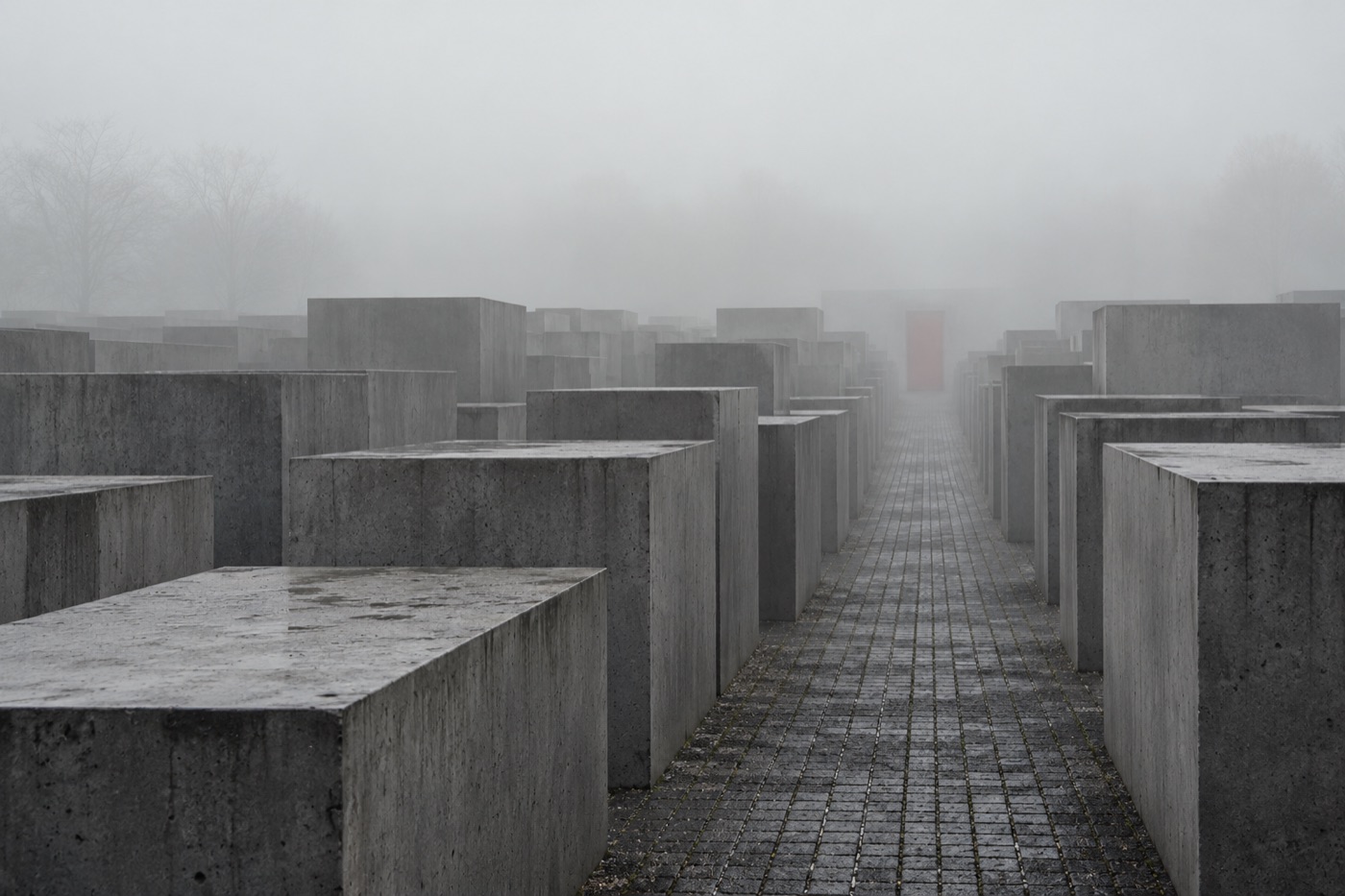
Remembrance culture is an umbrella term for all forms of deliberate remembering of historical events, individuals and processes. It covers what the state, institutions and local communities do, as well as how the past is discussed in schools, museums and public space. Remembering is therefore not a single date but an ongoing conversation about history. In Germany this conversation leads, among other places, to memorials on the grounds of former camps, to monuments and into museums. History thus becomes something you can see with your own eyes.
What the term covers, which forms it takes in Germany and why it is also criticized.
Keep readingThe history of the women's concentration camp and the memorial's role in historical education today.
Keep readingFrom the proclamation through the Reich Electoral Law to the election of the National Assembly.
Keep readingThe long road from the text of the Basic Law to changed laws in everyday life.
Keep readingThe second focus is the history of women in the twentieth century. One election result shows the scale of the change: in the election to the National Assembly on January 19, 1919, 37 women entered parliament among 423 deputies. It was a small number, yet the moment opened an important chapter in the history of democracy.
This topic is not on the margins here. It belongs to the larger question of who has shaped public life and whom collective memory includes. That is why both topics sit side by side. The articles are written factually and rely on information from institutional sources.

The following subjects lie outside our own field and are listed only as pointers for interested readers.
thai buddhist temples
Temples in Thailand, called wats, are central to Buddhist community life and are recognizable by their tiered roofs and golden spires. Monks live and study on the grounds, and visitors are expected to dress modestly and move quietly.
cuban genealogy research
Tracing Cuban ancestry often relies on parish records, civil registries and emigration documents scattered across several countries. Many families also combine written sources with oral histories passed down through generations.
asian cinema guide
Asian cinema ranges from Japanese animation and Korean thrillers to Indian musicals and Hong Kong action films. Each national industry has developed its own storytelling habits and a loyal international audience.
welsh rugby history
Rugby union is deeply woven into Welsh identity, from village pitches to the roar of a full stadium on international days. Local clubs have produced generations of players who carried the red jersey onto the world stage.
family history research
Researching a family name usually starts with living relatives and then moves back through census returns, wills and church registers. Patient cross-checking helps separate documented links from family legend.
real estate development
Real estate development turns land into housing, offices or shops through planning, financing and construction. Developers must weigh zoning rules, market demand and the surrounding community before breaking ground.
pcs move checklist
Military families who receive orders for a permanent change of station face a long list of tasks, from shipping household goods to registering children at new schools. A checklist keeps those steps in order and reduces last-minute stress.
offshoring and globalization
When companies shift work overseas, communities at home can lose steady employment while consumers gain lower prices. Documentaries and reports on globalization often follow the people on both sides of that trade-off.
rural life uk
Life in the British countryside follows the farming year, with lambing in spring and harvest in late summer. Village halls, market days and country shows keep local traditions alive.
football in malaysia
Football in Malaysia has a long history, with a national league, state teams and a passionate fan culture. The Malaysia Cup has been a highlight of the domestic calendar for many decades.
air charter guide
Chartering an aircraft means hiring an entire plane and crew for a specific trip instead of buying a seat on a scheduled service. Travelers often choose it for flexible timing and access to smaller airfields.
western mystery tradition
The Western mystery tradition draws on Hermetic philosophy, Kabbalah, alchemy and ceremonial practice. Its students study symbols and initiatory teachings that were handed down through secret societies and written manuals.
fantasy adventure books
Fantasy adventure novels send their characters across imagined lands, where magic, quests and ancient rivalries drive the plot. The genre depends on convincing maps, histories and invented cultures.
western australia art
Art in Western Australia reflects vast landscapes, Aboriginal heritage and a growing community of contemporary painters and sculptors. Galleries in Perth and regional towns show work that responds to the desert and the coast.
scottish clan history
The clans of Scotland were extended family groups bound together by loyalty to a chief and attachment to a particular territory. Their tartans, gatherings and surnames still link many people today to Highland ancestry.
formula 3 racing asia
Single-seater racing in Asia gives young drivers a series where they learn fast cars, race craft and engineering feedback. A strong season there can open doors to bigger championships around the world.
maine outdoor adventures
Maine offers rugged coastline, deep forests and rivers that attract paddlers, hikers and anglers. Its outdoor season runs from spring canoe trips to autumn leaf watching and winter snowshoeing.
high school sports team management
Managing a school sports team involves rosters, practice schedules, travel plans and constant contact with parents. Simple, shared tools help coaches keep every player and family informed.
urdu poetry
Urdu poetry is famous for the ghazal, a form of rhymed couplets that explores love, loss and longing. Poets such as Ghalib and Faiz are still quoted in everyday conversation across South Asia.
dc punk scene
The punk scene in the American capital grew in the late 1970s and early 1980s around small clubs, basement shows and independent labels. Its hardcore sound and do-it-yourself ethic spread far beyond the capital.